3D animals · a history game · a mod platform

Rebuild the world from the evidence. Then build on it.

We rebuild animals, plants and places from real scans, photographs and measurements, with every source on record. On that base we build three things:

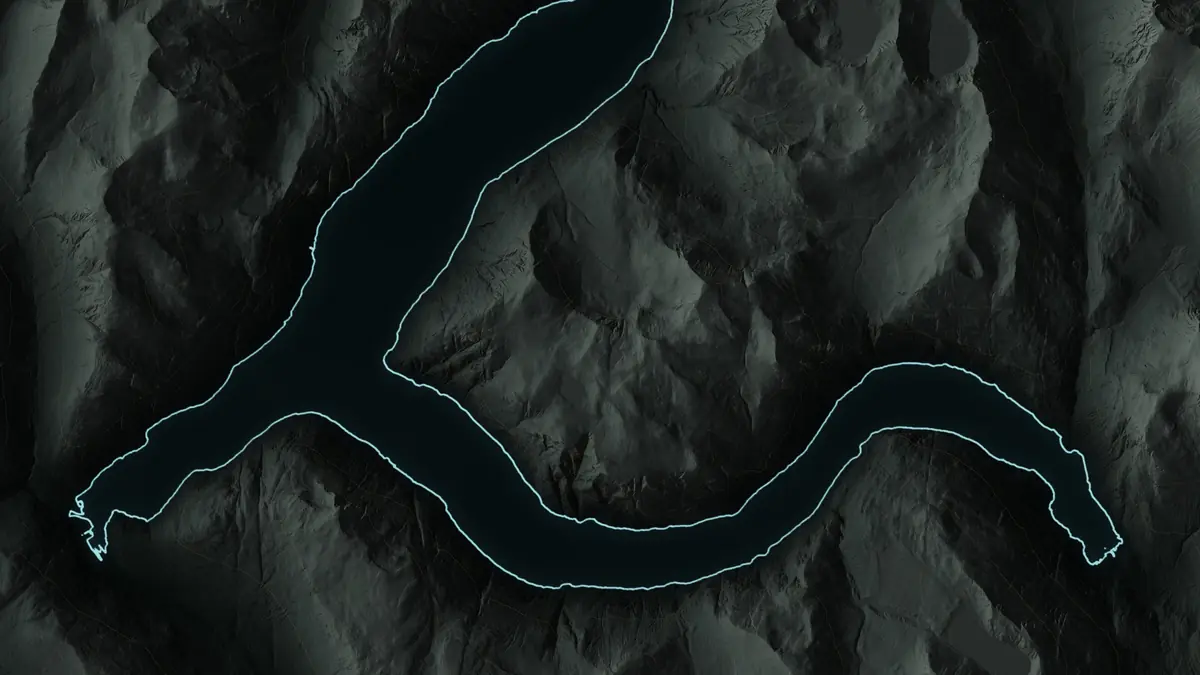
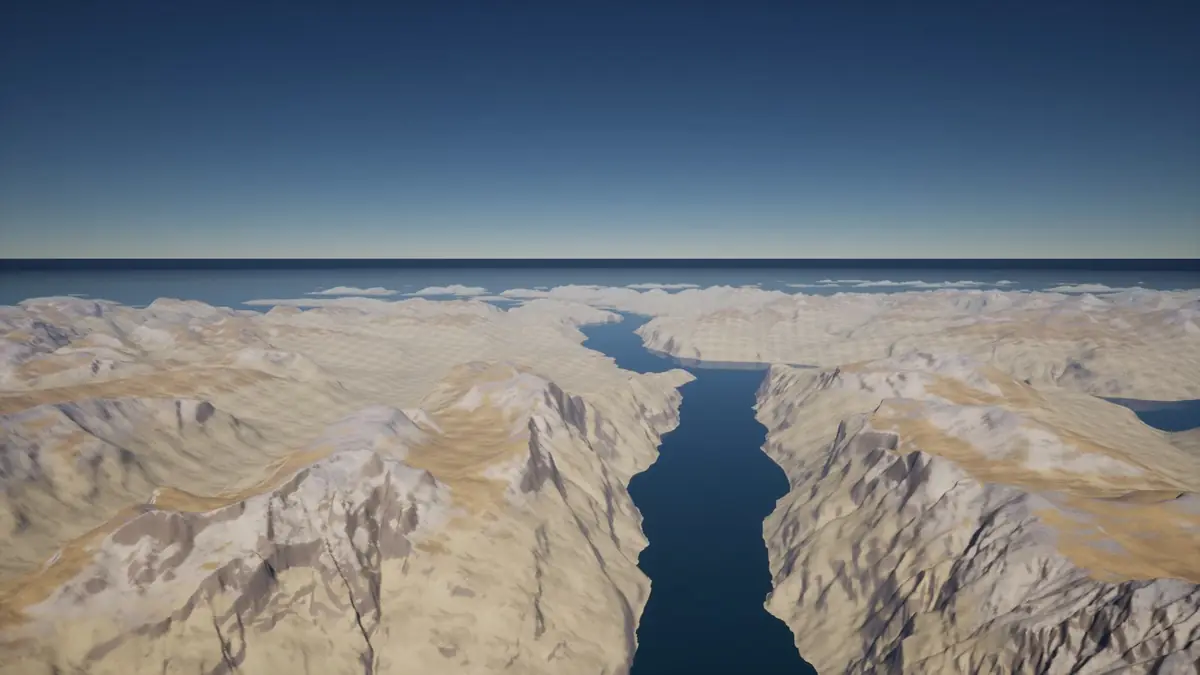
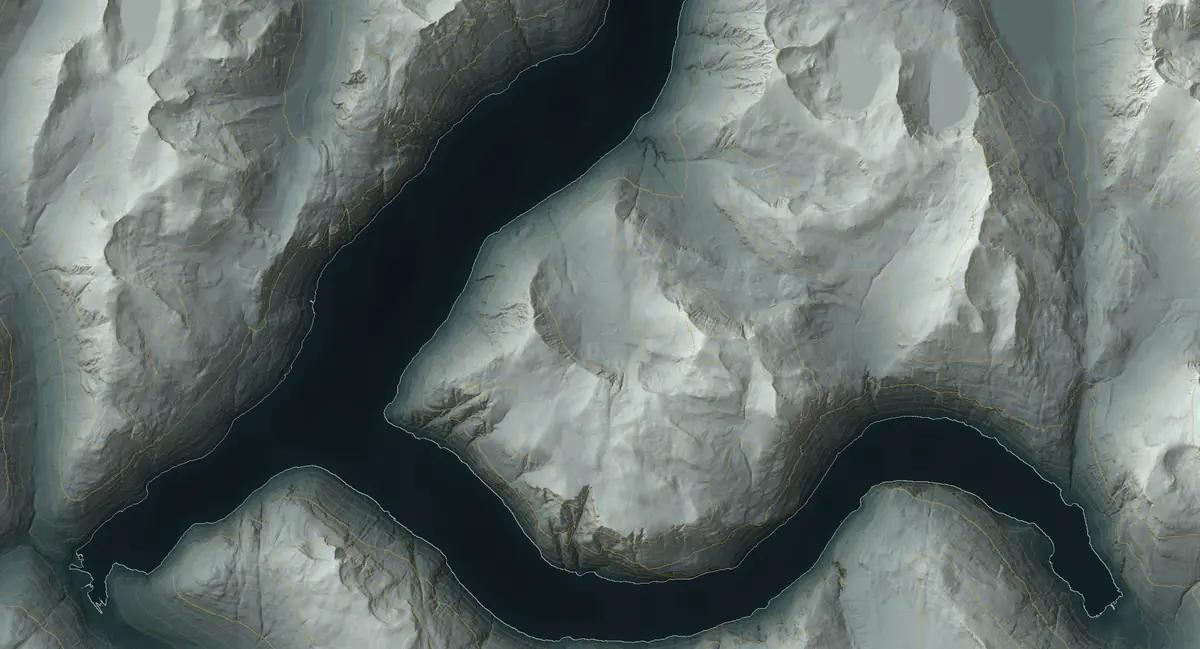
Geirangerfjord, Norway · relief from Kartverket survey heights, 2.5 m grid · CC BY 4.0

Animal species drafted
~47,700
Plant species
365,813
Sources on record
143
First model
Vulpes vulpes
Commits
1,641

Why it matters

People learn the living world from screens. Screens get it wrong.

Most of us know wolves, foxes, elk, the Ice Age and a fjord before farms only from pictures, games and films. Those are made by eye, and nobody can check them. The real thing should be possible to see, and to check.

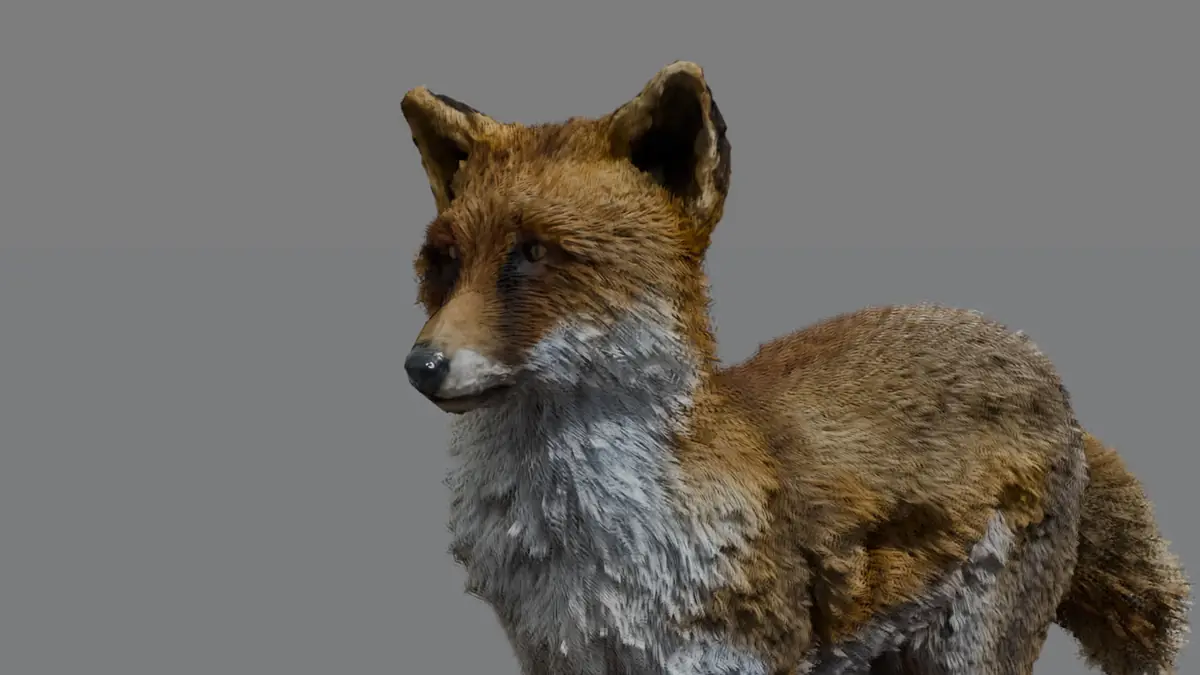
Close view of the red fox model's head and chest: russet face, dark eye patches, white throat.
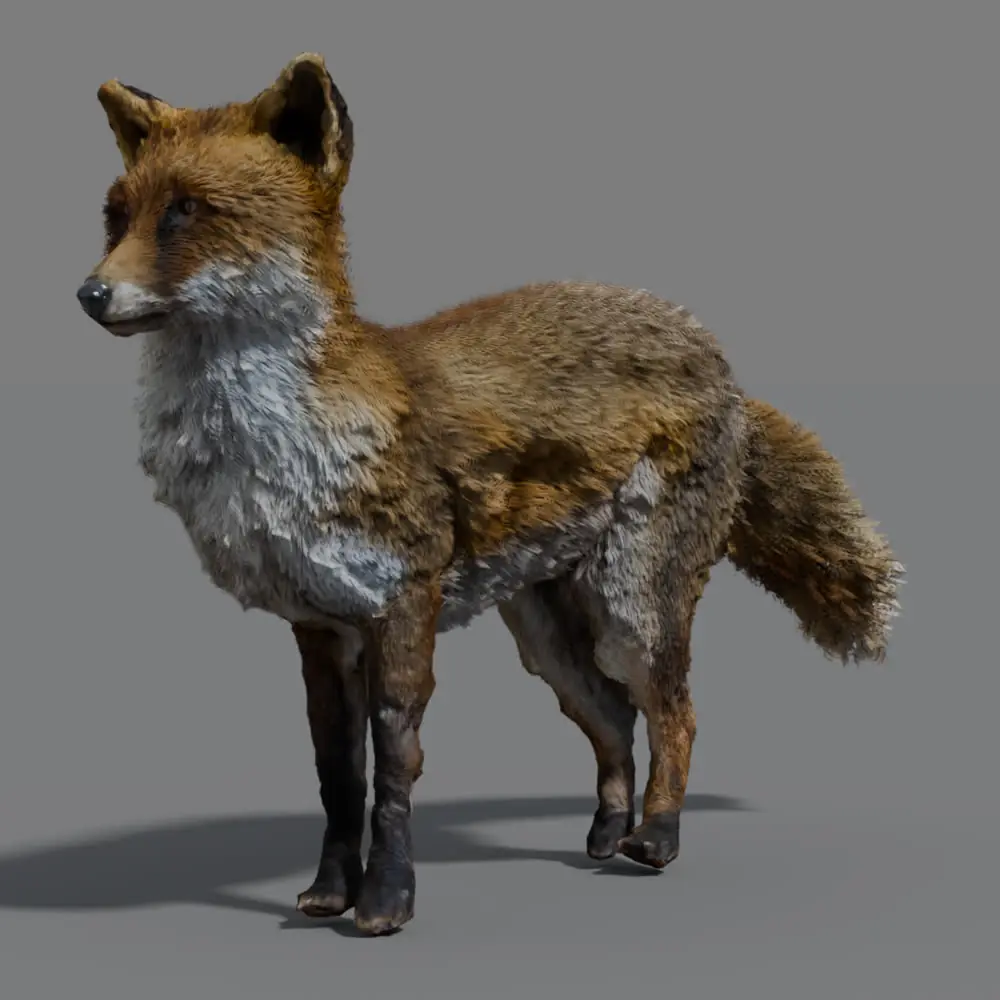
Our red fox, built from one real scan of a mounted fox (CC BY 4.0). It still fails at the face, where we need better data.
  1. 01

    Without evidence, the animal is wrong

    We built a fox from rules and trait tables. A species-recognition model called it a red fox 5.6% of the time. One real scan scored 31.2%, and real photographs score 75.1%. Talent does not close that gap. Evidence does.

  2. 02

    The evidence is locked away

    Measurements sit in papers, scans in museum drawers, footage on hard drives. Of the 47,700 species we have drafted, about one in 300 has an open scan anyone may build a sold model from. There is no open scan of a wolf.

  3. 03

    Some of it can't be gathered again

    The great auk, the thylacine and the woolly mammoth survive only as bones, skins and records. Built from those, they can be met again. Living animals can be recorded properly while they are still here.

  4. 04

    Most of the human story has no photographs

    Almost all of the 11,700 years since the ice left happened before cameras. Standing in that world, with the animals, plants and weather that were really there, is the only way to see it from inside.

So we are building one cited, checkable copy of the living world, and three things on it that pay for the work: an animal library, a game and a mod market. Every number names its source, and the people who measured these animals get the credit every time. More on why

What we are building

One base of evidence. Three things built on it.

Everything starts as measured data with a source. The same animals, plants and land feed every product, so work done for one makes the others better.

Who it is for, and what it needs

Each part, who it serves, and what would move it forward.

00

The base

Growing every day

Measured species data, 3D scans, terrain and climate, every value with its source. Every model will carry its pedigree: each input, licence, build step and check score.

Who it is for

  • The library, the game and the mods: all three are built from it.
  • Anyone who wants to check how a model was made. The sources page is public.

What it needs

  • Scans of mounts, skulls and skeletons. About one species in 300 has an open scan we may sell models from.
  • Video of animals moving side-on, on known ground.
  • Close-ups of feet, faces and mouths, and measurements from keepers, vets and field researchers.
Become a data partner →
01

Animal Library

First model in production

Rigged animals with walk, trot, gallop and behaviour clips, as Blender source files with Unreal-ready exports. The red fox comes first, then the raven and the elk.

Who it is for

  • Game studios making hunting, survival and open-world games, where players know how a deer runs.
  • Film and VFX: wildlife that holds up in a documentary or a period drama.
  • Museums and education: animals of past ages, extinct ones included, built to the measurements.

What it needs

  • More scans, from data partners, so more species can be built from a real surface.
  • Permission to sell from the owners of scan collections that are open for non-commercial use only.
  • Early buyers to tell us which species and formats they need first.
Tell us what you need →
02

Anywhen, the game

In development

The whole planet, from the end of the Ice Age to today, where everything is connected: climate shapes plants, plants feed animals, and the land shapes how people live, trade and believe. Start as one person and grow a camp into a town, a city or a realm, or live an ordinary life in any age.

Who it is for

  • Players who love history, nature and survival, and want the real thing.
  • Anyone curious what a place was like, and how people lived, thousands of years ago.

What it needs

  • The animals and plants of each place and age, from the library.
  • Records of how people lived: archaeology, history, climate and past landscapes, and the specialists who know them.
  • Later, players to test it.
See the game →
03

Mod Market

Planned

Everything in the base game is data a mod can change: species, crops, trades, laws, faiths, genes. The base game is itself built as the first mod.

Who it is for

  • Modders and world-builders who want worlds with their own rules on an accurate base.
  • Players who want to explore those worlds.

What it needs

  • The game's data and tools to be ready first.
  • Modders to try the tools early, once they are.
Get early word →

Work with us

Help us get the animals right.

Data partners (museums, zoos, parks and researchers) come first.

You share
Scans of mounts, skulls or skeletons. Side-on video of animals moving. Close-ups of feet, faces and mouths. Measurements and keeper notes.
You get
Your name on every model built from your data, wherever it goes. Access to the models, any discount and the licence are agreed with each partner. No terms are set yet.
What one scan did
One open scan of a mounted fox took our fox from 5.6% to 31.2% on a species-recognition test. Real photographs score 75.1%. The test
Your credit
Every model carries a credit line like the one our fox carries today: Red fox derived from "test scan of taxidermy fox" by Jakob.Normand, CC BY 4.0, changed by us.

Studios, film-makers and educators: tell us which animals you need, and in what form.

Players and modders: leave your details for early word about the game and the tools.

We never pass your contact details to anyone else.

Where things stand

What is moving now

The live view, step by step, is on the build progress page.

In progress

Red fox, toward sellable

The first animal built from a 3D scan: a CC BY taxidermy scan, rigged, with a coat grown from its own surface and 105 movement clips generated on its measured skeleton. Now fixing legs that poke through the coat in some poses, and the paws.

In progress

Common raven, the first bird

From a CC0 scan. The coat test passed against the bare scan, and it is being brought into Unreal. Flight is being measured from 168 openly licensed raven videos.

Next

Elk (moose)

Next scan after the fox: a CC BY elk scan, with walk and trot built for deer-family legs.

Held

Grey wolf

Built from measurements and photographs over 18 versions. Held while the scan route is proven on the fox.

For investors

What we are building, the market we see, and where it stands.

How we work

If it is in the world, it has a source.

Every number has a source

Each measurement traces back to a paper, a dataset or a scan, with its licence. The sources page lists them all.

Checked against the real animal

Renders are scored by a species-recognition model, BioCLIP 2, against real photographs before anything counts as done.

No generative AI in the models

Shapes come from scans and measurements, and coats from the scan's own surface. No image or 3D generator makes any part of an animal.